The choice of filming location has become a strategic decision that can determine the success or failure of a production. It is not just a backdrop or set, but the element that defines the atmosphere, the aesthetic and the credibility of a story.
It is against this backdrop that Ciudad Inmersiva Madrid was established, a meeting point between cultural heritage and the creativity of the future. Driven by a spirit of creativity and cultural outreach, it has reinvented itself to become one of the capital’s most versatile and dynamic venues.
Understanding the different types of filming sets and how to choose the right one allows you to make the most of the potential offered by environments such as this. In this article, we explore how to identify the ideal set for each type of production, and how Ciudad Inmersiva Madrid supports production companies, brands and artists in creating immersive, sustainable and technically flawless audiovisual projects.
Types of recording kits and how to choose the right one
The types of film sets and how to choose the right one depend on key factors such as the script, the desired aesthetic, the budget and the level of control required during filming. Broadly speaking, there are three main categories: natural sets, built sets and virtual sets. Their characteristics, advantages and most common uses are detailed below.
You might be interested in:
Natural sets: the authenticity of the real environment
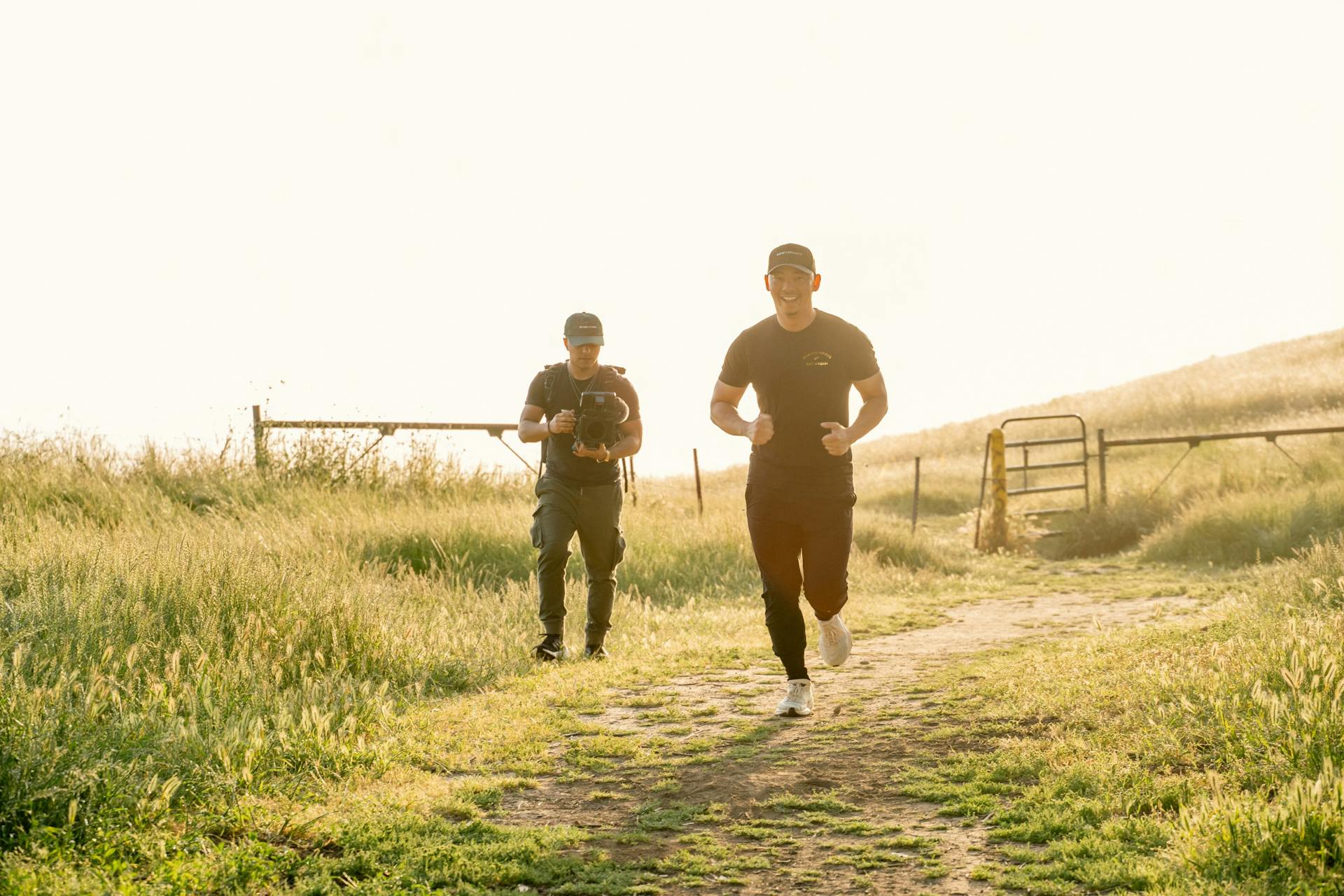
Natural sets are those found in real outdoor or indoor locations, outside a studio. They can be streets, parks, historic buildings, mountains or even an ordinary café. Their greatest advantage is their authenticity: they offer a sense of realism that is difficult to replicate on an artificial set.
This type of setting is often ideal for documentaries, low-budget productions or stories that aim to capture an authentic atmosphere. Filming on location adds texture, depth and natural lighting that can visually enrich the narrative.
You might be interested in a blog post we wrote about the difference between a film set, a set, a stage set and an industrial warehouse: https://ciudadinmersivamadrid.com/actualidad/diferencias-entre-plato-set-decorado-y-nave-industrial/
However, working in natural settings presents certain challenges: permits, unpredictable weather, external noise, or technical limitations regarding lighting and sound. In such cases, meticulous planning is essential. Producers usually visit the locations several times before filming to assess the lighting, work out camera angles and plan for contingencies.
Real-life example: films such as The Others (2001), directed by Alejandro Amenábar, made use of the atmosphere of real mansions in northern Spain to reinforce the mysterious tone of the plot. The natural setting, whilst challenging, became another character in the story.
Set designs: total control of the space
Set constructions are sets designed and built specifically for a production. They are erected inside studios or industrial units and allow for complete control over lighting, sound and atmosphere.
This option is the preferred choice for fiction productions, television series, adverts and films that need to recreate locations that do not exist or are difficult to access. Production designers create every detail – from the furniture to the colours of the walls – so that everything contributes to the visual narrative.
Built sets also make it easier to reshoot scenes without interruptions, something that is almost impossible on location. Furthermore, they allow for the incorporation of practical effects, moving structures and modular sets. The main drawback is the cost, as they require materials, specialist technicians and time to build.
Even so, their flexibility is unrivalled. Major productions such as Harry Potter and Game of Thrones have used full-scale sets that transport the viewer to entirely new worlds.
Virtual sets: the digital revolution of the 21st century
The emergence of virtual technology has completely transformed the way audiovisual content is produced. Virtual sets, created using LED screens, augmented reality (AR) or extended reality (XR), make it possible to film scenes in digital environments without the need for travel or physical sets.
One of the best-known examples is the use of the StageCraft system in The Mandalorian (Disney+), where backgrounds are projected onto LED screens that react in real time to the camera’s movements. This type of technology offers seamless integration between the actor and the environment, reducing post-production costs and travel expenses.
Furthermore, virtual sets open up an infinite world of creative possibilities: from impossible landscapes to futuristic worlds generated in 3D. However, they require specialised equipment and advanced technological infrastructure.
In Spain, companies such as Ciudad Virtual Producciones and venues such as Madrid Content City already offer filming services using advanced virtual technology, cementing the country’s position as a leader in the European audiovisual market.
Comparison of different types of sets
| Type of set | Advantages | Disadvantages | Recommended use |
| Natural | Visual realism, low cost, emotional authenticity | Weather, noise, permits, lack of control | Documentaries, dramas, realistic productions |
| Built | Total control, repeatability, complete customisation | High cost, construction time | Fiction, TV series, advertising |
| Virtual | Flexibility, innovation, savings on travel | High technological costs, learning curve | Science fiction, music videos, digital campaigns |
How to choose the right recording kit
Choosing the ideal type of set involves striking a balance between creativity and logistics. There is no single formula, but there are certain criteria that can guide the decision:
- Type of story: an intimate or realistic narrative can benefit from a natural setting, whilst a fantasy production will require a built or virtual set.
- Budget available: although virtual sets are more expensive initially, they can reduce costs relating to transport, permits and post-production.
- Production time: natural sets require more planning; built sets, more assembly; and virtual sets, more digital pre-production.
- Technical requirements: to assess the lighting, sound, special effects and equipment logistics.
- Communication objective: the setting should reinforce the project’s message and tone, not distract from them.
Pro tip: carry out a camera test on different types of set before making your final decision. This allows you to see how light and colour behave in each environment, helping to avoid any surprises during filming.
Here is a link to an article about the preparations involved in organising a film shoot in an industrial warehouse.
The rise of hybrid sets
Nowadays, productions combine various types of set within a single project. Hybrid sets blend physical elements with digital projections or virtual sets. This allows producers to get the best of both worlds: the tangible texture of a real set and the technological versatility of a virtual environment.
Advertising productions and music videos are major beneficiaries of this format. International artists such as Rosalía and The Weeknd have shot music videos that combine real-life settings with LED screens, creating striking visual effects without ever leaving the studio.
Furthermore, hybrid sets are more sustainable, as they reduce the use of physical materials and travel, in line with the ‘green shooting’ trend promoted by the responsible audiovisual industry.
Common mistakes when selecting a recording set
Even the most experienced professionals can make mistakes when choosing a filming location. Some of the most common ones are:
- Failing to adapt the set to the script: choosing a location solely for its aesthetic appeal, without considering narrative coherence.
- Ignoring acoustics: a visually appealing space can be rendered unusable if sound echoes or there is constant background noise.
- Underestimating the logistics: access, electricity, and space for equipment and performers are crucial factors.
- Lack of technical preparation: filming without first testing the lighting or camera movements can lead to wasted time and budget.
Avoiding these mistakes ensures a smoother production process and professional results.
At Ciudad Inmersiva Madrid, we understand that the different types of film sets and how to choose the right one go far beyond a mere technical matter: they are a creative tool used to evoke emotions, convey ideas and shape the future of the audiovisual industry.
At Ciudad Inmersiva Madrid, we believe in the power of spaces to tell stories that resonate with people. That’s why, rather than simply providing a set, we offer a vibrant, collaborative and versatile environment, where creativity knows no bounds and every project becomes a unique experience.
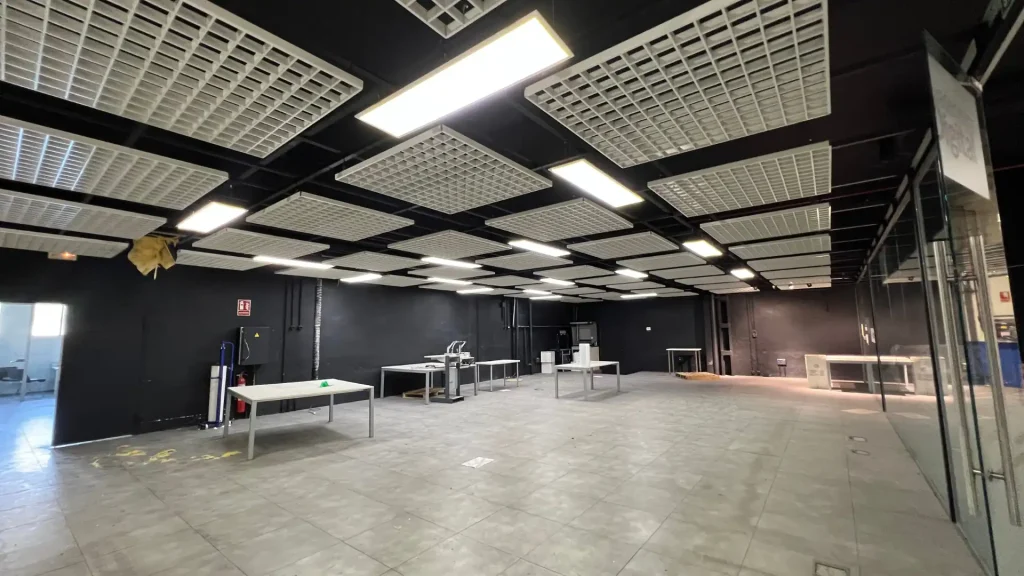
FAQs on types of recording kits and how to choose the right one
What is the most affordable kit for an independent production?
Natural sets are usually the most affordable option. However, at Ciudad Inmersiva Madrid we offer specially fitted locations that allow you to optimise costs without compromising on aesthetic or technical quality.
Here is a link to an article on our blog about the financial support available to you: https://ciudadinmersivamadrid.com/actualidad/ayudas-a-la-industria-audiovisual-en-espana/
What type of set is most commonly used in advertising productions?
Advertising combines physical and virtual sets. This blend allows for precise visual control and striking results. At Ciudad Inmersiva Madrid, we design bespoke environments for brand campaigns, with options tailored to every budget.
Is it possible to film in an industrial or heritage site?
Yes. Our network of locations includes industrial, architectural and natural sites throughout the Community of Madrid. We handle the necessary permits and adaptations for each film shoot.
Are virtual sets affordable for small production companies?
More and more. In partnership with local XR studios, we offer scalable rates for medium-sized or independent production companies wishing to experiment with digital environments.
Can I combine different types of sets in the same project?
Of course. In fact, it’s standard practice. At Ciudad Inmersiva Madrid, we design hybrid shoots that seamlessly and coherently combine physical and digital environments.
How can I visit or book a set at Ciudad Inmersiva Madrid?
Simply get in touch with our production team via our website or social media. We offer site visits and free advice to help you choose the space that best suits your project.