Beyond screenplays or performances, cinematic shot types have become the true visual language that guides the viewer’s emotions. From the earliest frames of the Lumière brothers to today’s digital blockbusters, each shot conveys feeling, creates tension and directs the audience’s attention towards what matters most.
The most commonly used shot types in modern cinema respond not only to aesthetic considerations, but also to narrative ones. A close shot can reveal a secret; a wide shot can convey the scale of the world surrounding the characters. Mastery of these visual resources distinguishes great directors from those who are only just beginning, turning framing into a tool of creative power.
Today, contemporary filmmakers combine tradition with innovation: lightweight cameras, drones, anamorphic lenses and visual effects coexist with classical techniques of composition. In this article, we will explore the most common shot types, their emotional function and their use in films that defined an era, offering an essential guide to understanding how modern cinema builds its visual magic.
The most common shot types in modern cinema
The most commonly used shot types in modern cinema are classified according to the distance between the camera and the subject, as well as their narrative intention. Each serves a specific function in the construction of the story. Here, we review the most prominent ones and how they are used in contemporary cinema.
Wide shot
The wide shot places the viewer within the context. It shows the setting in which the action takes place and offers a full view of the characters within their environment. It is essential for establishing the tone of a scene or introducing a new setting.
In modern cinema, directors such as Christopher Nolan and Denis Villeneuve use it to convey the vastness of the world around the protagonists and their sense of isolation within it. In Dune (2021), for example, the wide shot reinforces the feeling of desolation across the landscapes of Arrakis.
The use of the wide shot can also vary according to genre: in action films, it reveals the scale of battles; in dramas, it emphasises the emotional distance between characters.
Medium shot
The medium shot frames the character from the waist up. It is the most commonly used shot in conversations and scenes of emotional interaction, as it balances body language with facial expression.
In modern cinema, this shot is associated with naturalism. Films such as Marriage Story (2019) and La La Land (2016) use it to capture intimacy without intruding on the character’s personal space. It is an ideal shot for maintaining emotional connection without slipping into exaggeration.
The medium shot also supports narrative rhythm, as it allows for dynamic cuts in the edit without disorienting the viewer.
Close-up
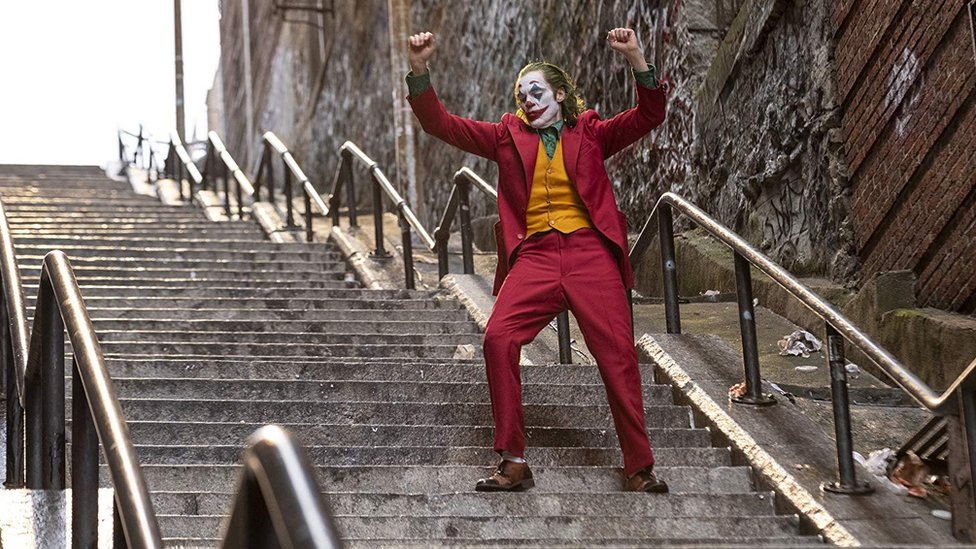
The close-up is one of the most powerful devices in cinematic language. It focuses attention on the face, capturing emotions, thoughts and micro-expressions that would be impossible to perceive with the naked eye.
In contemporary cinema, the close-up has taken on an almost poetic dimension. In Joker (2019), the close-ups of Joaquin Phoenix’s face allow the viewer to witness the character’s psychological transformation, turning the shot into a reflection of the soul.
This type of framing is used to create either empathy or discomfort. The emotional proximity can become so intense that the viewer feels as though they are inside the character’s thoughts.
Detail shot
The detail shot focuses on an object or a specific part of the body: a hand, an eye, a key turning in a lock. In modern cinema, this shot has gained strength as a symbolic device.
For example, in Inception (2010), the spinning top becomes the visual symbol of reality and dreams. Its repeated use through detail shots creates a constant narrative tension.
This type of shot is also essential in horror and suspense cinema, where small gestures — a moving lock, a drop of blood — trigger powerful emotions.
American shot
The American shot, which frames the subject from the head to the knees, originated in the westerns of the 1930s and 1940s. It made it possible to show the cowboys’ guns and gestures at the same time.
By the way, did you know that, in the 1960s and 1970s, Madrid gave rise to a genre that fused American aesthetics with Europe’s passion and talent? Madrid, the greatest set of the Spaghetti Western, continues to attract international cinema.
Today, this shot remains essential in modern cinema because of its visual balance. Films such as John Wick and Mad Max: Fury Road use it to combine action and body language without losing narrative focus.
In addition, the American shot brings dynamism to dialogue scenes, offering a framing that conveys power, authority or tension between characters.
Overhead shot
The overhead shot is taken from above, showing a view perpendicular to the ground. In contemporary cinema, it is used for aesthetic or symbolic purposes, evoking surveillance, vulnerability or fate.
A masterful example is Wes Anderson’s use of it in The Grand Budapest Hotel (2014), where the overhead shot forms part of his distinctive visual style. It also appears in thrillers and science fiction films, where it reinforces the idea of control or inevitable fate.
The arrival of drones has multiplied the possibilities of this shot, allowing fluid and spectacular captures at lower cost.
Low-angle shot
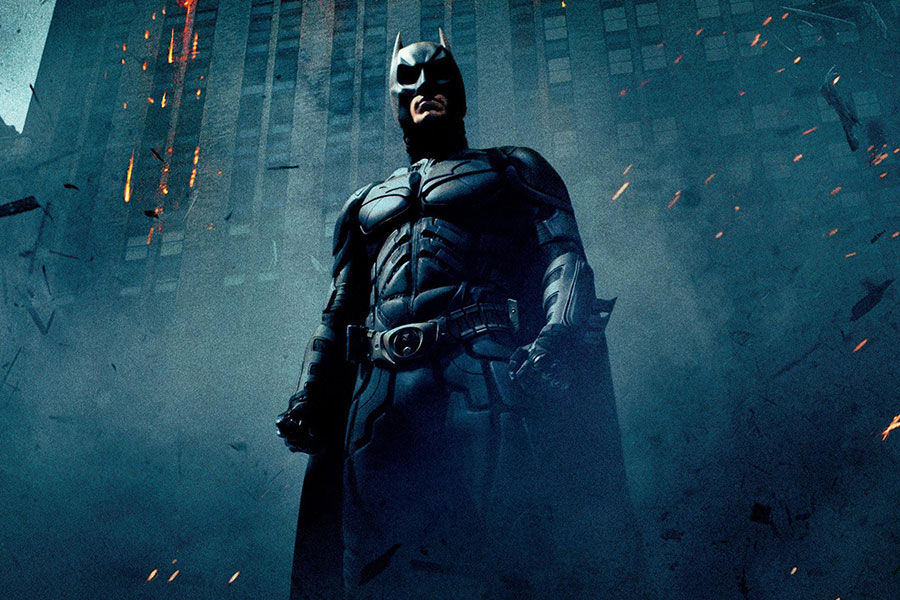
The low-angle shot, in which the camera is positioned below the subject, is used to represent power or grandeur. In modern cinema, this framing is common in superhero films and in scenes where a character assumes control or leadership.
EIn The Dark Knight (2008), Christopher Nolan uses it to emphasise the Joker’s dominance over his victims. The angle elevates the character, giving him an almost mythical presence.
However, when used ironically, it can also convey arrogance or excessive ego, depending on the narrative context.
Point-of-view shot
The point-of-view shot presents the action from the character’s perspective, allowing the viewer to “see through their eyes”. This type of shot has gained relevance with the rise of lightweight digital cameras and immersive cinema.
In 1917 (2019), Sam Mendes uses variations of the point-of-view shot to make the viewer feel the urgency of war. In horror, films such as Paranormal Activity and REC use it to heighten realism and tension.
Its excessive use can become exhausting, but when used with restraint, it creates an immediate emotional connection with the narrative.
Sequence shot
The sequence shot is a technical jewel: a continuous take without apparent cuts. In modern cinema, this device has become a demonstration of visual virtuosity and narrative control.
Directors such as Alfonso Cuarón (Gravity) and Alejandro G. Iñárritu (Birdman) have taken this type of shot to another level, turning it into an immersive experience.
The sequence shot does not only demonstrate technical skill; it also creates a sense of temporal fluidity that draws the viewer into the story.
If you are interested in finding out where some of Spain’s most famous series were filmed, click on the previous link. That article is ideal for you.
Summary table of the most commonly used shot types in modern cinema
| Shot type | Description | Modern example |
| Wide shot | Shows the full setting | Dune (2021) |
| Medium shot | Captura la naturalidad de las conversacionesCaptures the natural flow of conversation | La La Land (2016) |
| Close-up | Expresses deep emotion | Joker (2019) |
| Detail shot | Emphasises symbolic objects or gestures | Inception (2010) |
| American shot | Combines action and dialogue | John Wick (2014) |
| Overhead shot | Adds aesthetic value and symbolism | The Grand Budapest Hotel (2014) |
| Low-angle shot | Represents power or dominance | The Dark Knight (2008) |
| Point-of-view shot | Immersion through the character’s perspective | 1917 (2019) |
| Sequence shot | Fluidity without visible cuts | Birdman (2014) |
The evolution of shot types in contemporary cinema
Modern cinema does not simply repeat established formulas. Technological and aesthetic evolution has transformed the way films are made. Today, directors combine classical shot types with experimental camera movements and digital editing effects.
The influence of social media and streaming platforms has also altered the perception of framing. Series such as Euphoria and Stranger Things use stylised shots that imitate the aesthetics of the music video, combining the cinematic with the musical.
The current trend points towards a more immersive cinema, in which shots convey sensation before information. This search for authenticity turns each frame into an emotional tool.
To explore filming and composition techniques in greater depth, we invite you to consult CineArte Digital, a recognised source for contemporary audiovisual analysis.
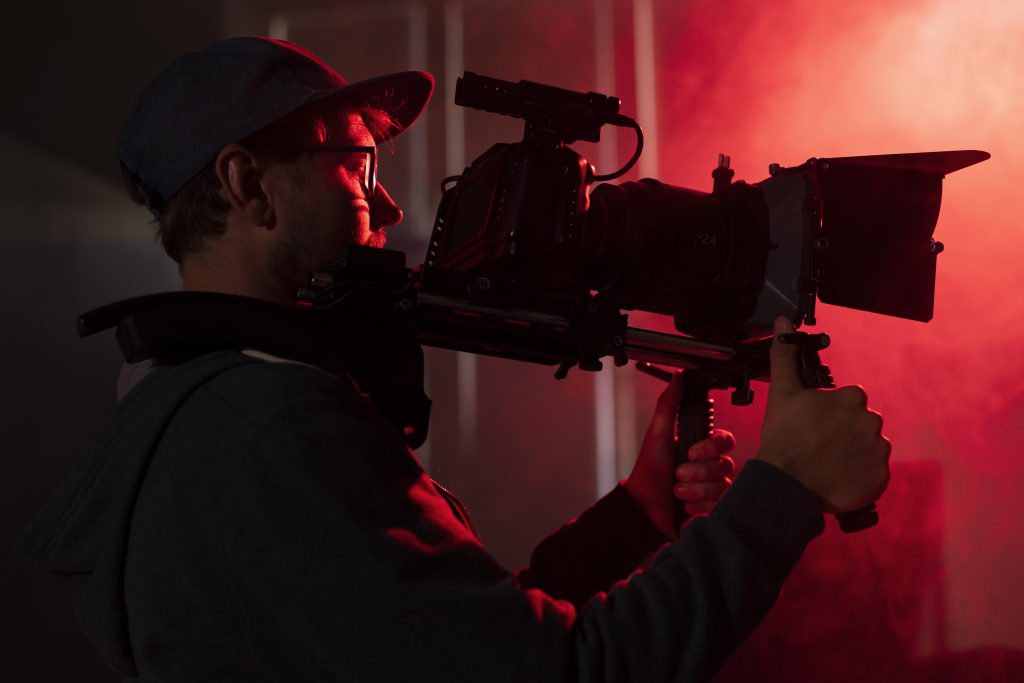
Mastering these resources not only allows us to understand a film more fully, but also to create a new way of seeing. In a world saturated with images, the true art of cinema still lies in knowing where to place the camera… and when not to move it.
The future of cinema does not depend solely on technology, but on the visual sensitivity with which creators choose to tell their stories. Because, in the end, a good shot is not only seen: it is felt.
Frequently Asked Questions (FAQs)
What is the most important shot in modern cinema?
It depends on the genre and the narrative intention, although the close-up remains essential for creating emotional empathy with characters.
Why do directors use the wide shot so often?
Because it helps to establish the visual and emotional context of the scene, placing the viewer within the narrative world.
What is the difference between the medium shot and the American shot?
The medium shot focuses on expression and dialogue; the American shot adds bodily context, making it ideal for dynamic or action scenes.
Are classical shot types still used in digital cinema?
Yes, classical shot types remain the foundation of cinematic language. What changes is the way they are executed through new technological tools.
Which shot is used to create tension?
The detail shot or the close-up often creates tension or suspense, especially when key elements are brought into focus without revealing too much.
How does the camera influence the viewer’s emotions?
The type of shot and its movement determine the emotional relationship with the character: closeness, power, vulnerability or empathy.
The most commonly used shot types in modern cinema are far more than visual tools: they are the soul of audiovisual storytelling. Each frame tells a silent story that the viewer interprets through emotion, composition and light.